


About us
Two people, two dogs and a workshop in Baden that has been assembling cable since 1991. This page says who does what — and where our knowledge about battery cable comes from.
Who runs the shop
Kabeleria belongs to Prazanta Lda, the company of André-Oliver Bonsch and Tanja Moosmann. It is based in Vale de Prazeres, Portugal, because that is where we live. Why this changes nothing about your order is explained in the legal notice. In short: the cable is made and shipped in Germany, the invoice carries German VAT, and a return goes back to Germany as well.
André Bonsch, who needed these cables before he sold them
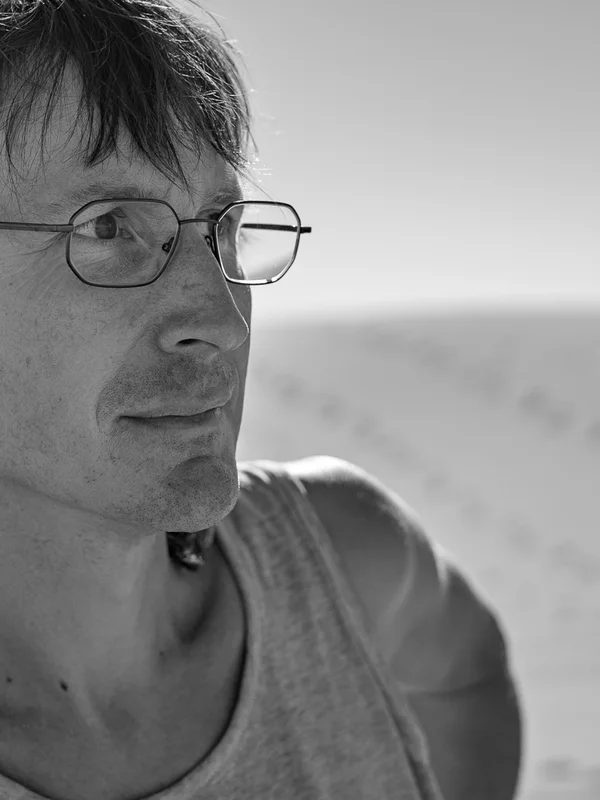
André trained as a mechanical engineering technician. He worked in plant construction and in the manufacture of electronic components, on CNC machines and on high-precision parts — work where a hundredth of a millimetre decides between usable and scrap.
He has been self-employed since 2009, fitting batteries, charging equipment and solar systems into motorhomes ever since. That is more than fifteen years and a great many vehicles. Anyone who installs for that long knows not only the calculations but also the places where it goes wrong in practice:
- The ready-made cable is either twenty centimetres too short or sits in the way as a loop. The first is annoying, the second is also dangerous, because a loop chafes.
- The terminal does not fit the bolt. The device has M8, the cable arrives with M6, and a washer is supposed to sort it out.
- The screw connection gets warm. It worked on the day of installation and grows worse over the years, because copper settles.
- It is not copper at all but copper-clad aluminium. That only shows up through heating, often in the second season.
Why this matters for you
What these pages say about cross-sections, bolt holes and crimping is not copied from data sheets. It comes from systems that were installed and then driven for years. By far the largest part of them were small solar systems with battery storage — exactly what most of our cables are ordered for today.
Tanja Moosmann
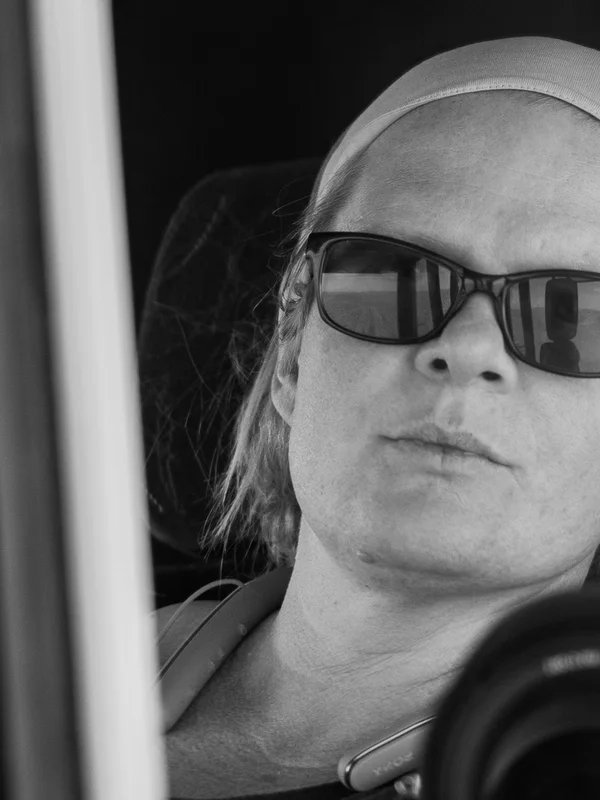
Tanja is responsible for the shop itself: the texts, the way it is built, order handling and the books. If an explanation on this site is easy to follow, that is down to her. If it turned out too technical, André has been writing again.
Max and Ziva


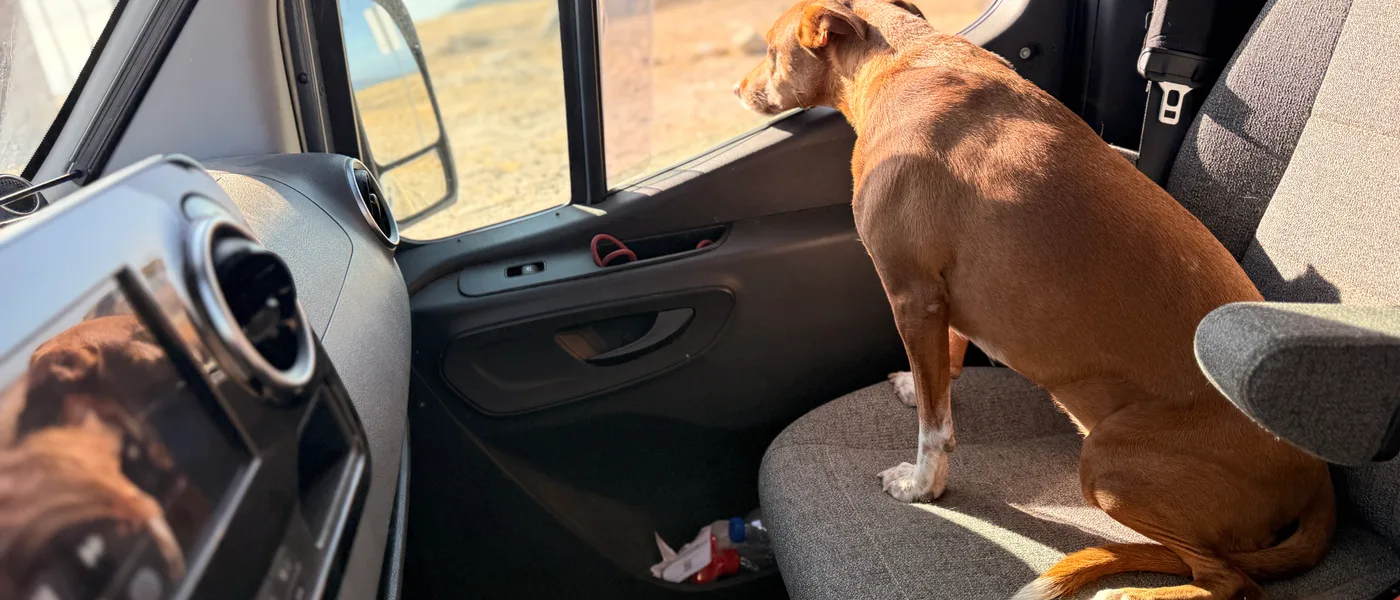
Two dogs whose contribution to the business consists of occupying the passenger seat and providing acoustic accompaniment to every parcel delivery. Ziva has been with us since 2018. Neither has crimped a single cable so far, which we count as a success of the division of labour.
Our workshop
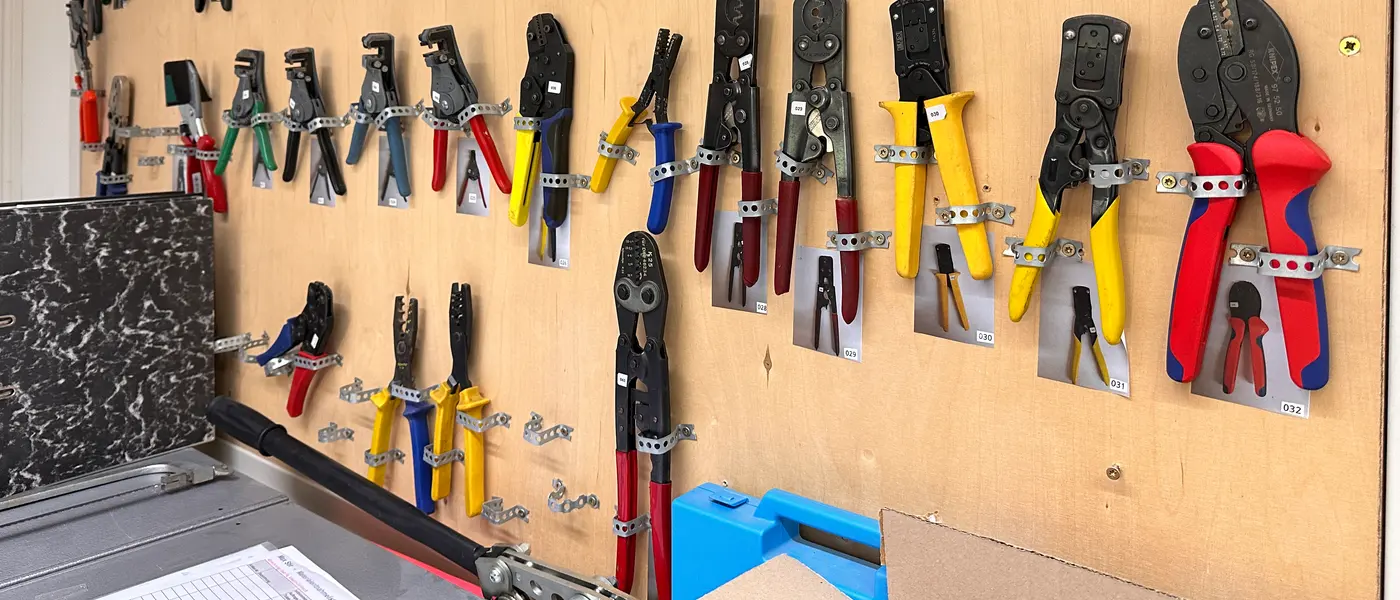
Your cable is not made in our own house. We pass the manufacturing order to an owner-managed medium-sized company in Baden. That workshop has been assembling cable since 1991 — from a single cable to a complete wiring loom for industrial customers.
| Assembling cable since | 1991 |
|---|---|
| Company type | owner-managed, medium-sized |
| Location | Baden, southern Germany |
| Scope | single cables up to complete wiring looms |
| Certification | DIN EN ISO 9001 |
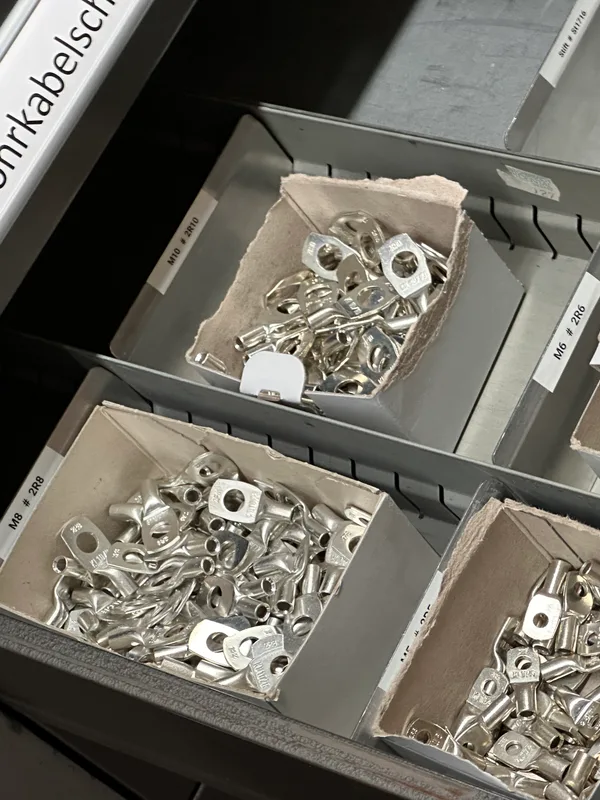
Certification to DIN EN ISO 9001 is not a marketing badge but an obligation: procedures have to be written down, inspection steps documented and deviations traceable. For a cable that will later carry a hundred amperes and more, that is the difference between a procedure and a good intention.
More than thirty years of cable assembly mean one thing above all for your order: your cable does not pass through that workshop as a special case, but as the thing that has been done there every day since 1991.